
Coping Strategies and Support
Key Takeaways
- Understand the nature of panic, anxiety, and stress.
- Explore various coping strategies and support systems.
- Incorporate relaxation techniques and mindfulness practices.
- Utilize available resources and community support.
Dealing with panic, anxiety, and stress can be overwhelming, but effective coping strategies and support systems can make a significant difference in managing these feelings. This article provides insights into various techniques and resources available to help individuals cope effectively.
Understanding Panic, Anxiety, and Stress
Panic attacks can be frightening, often occurring unexpectedly. Anxiety can manifest in various ways, impacting daily life, while stress is a natural response to demanding situations. Understanding these emotions is the first step towards better management.
| Term | Description |
|---|---|
| Panic | A sudden onset of intense fear or discomfort, reaching a peak within minutes. |
| Anxiety | The feeling of worry, nervousness, or unease about something with an uncertain outcome. |
| Stress | The body's reaction to a challenge or demand. |
Effective Coping Strategies
The following strategies can help manage panic, anxiety, and stress effectively:
1. Breathing Techniques
Controlled breathing can help regain a sense of control:
- Inhale deeply through your nose.
- Hold your breath for a few seconds.
- Exhale slowly through your mouth.
2. Mindfulness and Meditation
Practicing mindfulness helps you stay grounded. Consider using mindful meditation accessories to enhance your practice.
3. Physical Activity
Engaging in regular exercise can help alleviate feelings of anxiety and stress. Activities like walking, jogging, or yoga are beneficial.
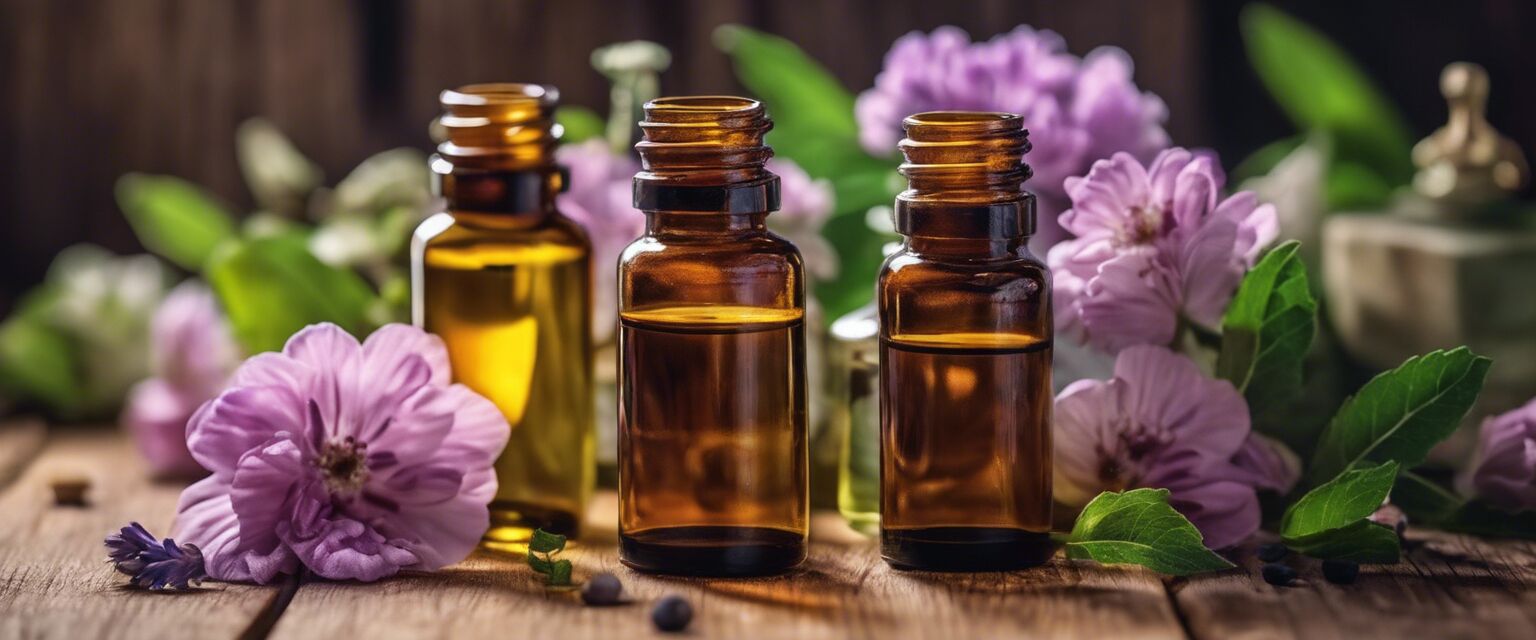
4. Aromatherapy
Aromatherapy can create a calming environment:
- Use essential oils such as lavender or chamomile.
- Consider diffusers or scented candles.
Support Systems
Establishing a support system plays a crucial role in managing panic, anxiety, and stress.
1. Friends and Family
Talking to loved ones can provide emotional support. They can offer perspective and understanding.
2. Support Groups
Joining a support group can help you connect with others facing similar challenges. Look for local or online options.
| Support Type | Benefits |
|---|---|
| Friends and Family | Emotional support and personal understanding. |
| Support Groups | Community and shared experiences. |
| Professional Help | In-depth strategies and therapy options. |
3. Professional Help
Seeking therapy or counseling can offer personalized coping strategies and techniques tailored to individual needs.
Relaxation Techniques
Developing a relaxation routine can greatly assist in managing stress:
- Progressive muscle relaxation
- Guided imagery
- Yoga practice

Conclusion
With the right coping strategies and support systems, it is possible to manage panic, anxiety, and stress effectively. Integrating techniques such as mindfulness, physical activity, and seeking support can create a more balanced way of coping.
Tips for Beginners
- Start with one technique and incorporate it into your daily routine.
- Set realistic goals for your coping strategies.
- Keep a journal to monitor your feelings and progress.
Pros
- Enhances emotional resilience
- Improves overall well-being
- Fosters a sense of community
Cons
- May require time to see improvements
- Some strategies may not work for everyone