Diagnosis and Treatment Options
For many people, the feelings of panic occur only occasionally during periods of stress or illness. A person who experiences recurring panic attacks is said to have panic disorder, which is a type of anxiety disorder. They generally have recurring and unexpected panic attacks and persistent fears of repeated attacks.
Key Takeaways
- Diagnosis involves a combination of physical and psychological evaluations.
- Treatment options include lifestyle changes, therapy, and relaxation techniques.
- Aromatherapy, calm-enhancing beverages, and relaxing bath essentials can also help alleviate symptoms.
Diagnostic Process
The diagnostic process for panic, anxiety, and stress typically involves a combination of physical and psychological evaluations.
| Physical Evaluation | Psychological Evaluation |
|---|---|
| Medical history and physical exam to rule out underlying medical conditions. | Psychological questionnaires and assessments to identify symptoms and patterns. |
| Lab tests to check for underlying medical conditions. | Cognitive-behavioral therapy to identify thought patterns and behaviors contributing to symptoms. |
Treatment Options
Treatment options for panic, anxiety, and stress can vary depending on the individual and the severity of symptoms. Some common treatment options include:
- Lifestyle changes: Regular exercise, healthy diet, and sufficient sleep can help alleviate symptoms.
- Therapy: Cognitive-behavioral therapy, psychotherapy, and counseling can help individuals identify and change thought patterns and behaviors contributing to symptoms.
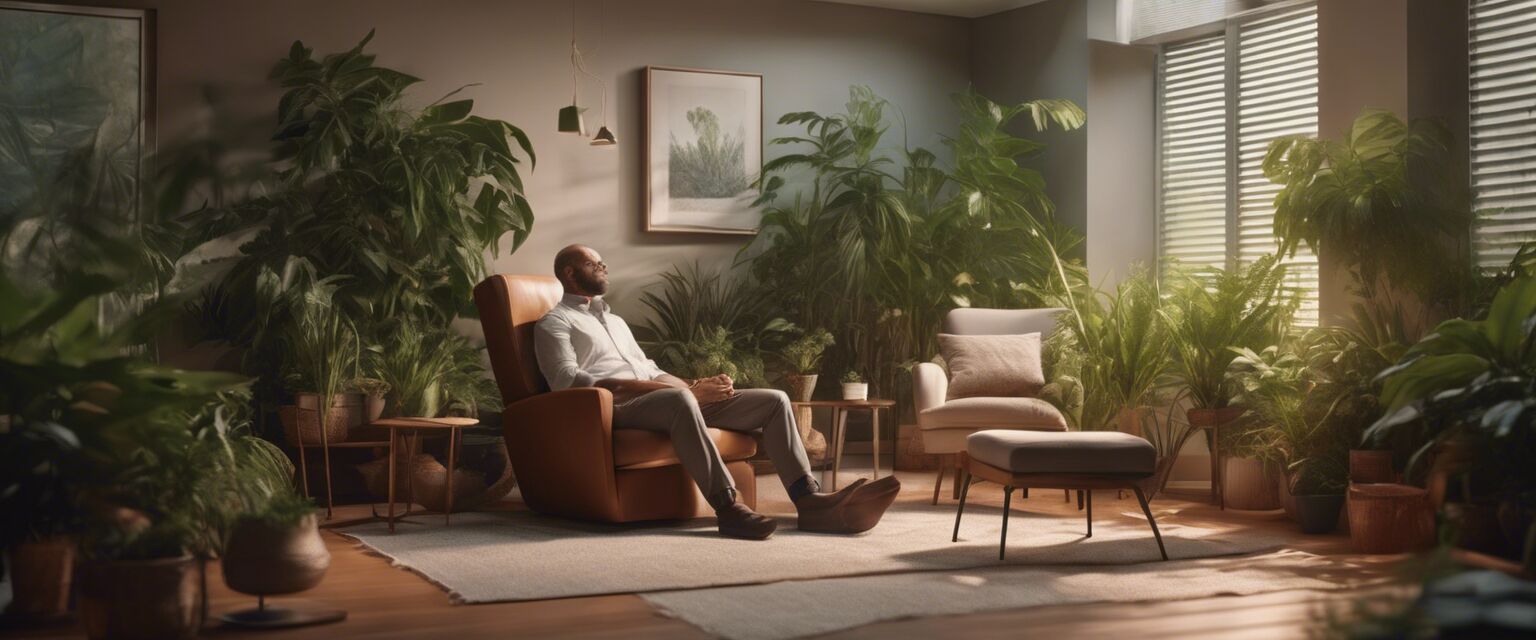
- Relaxation techniques: Deep breathing, progressive muscle relaxation, and visualization can help reduce symptoms.
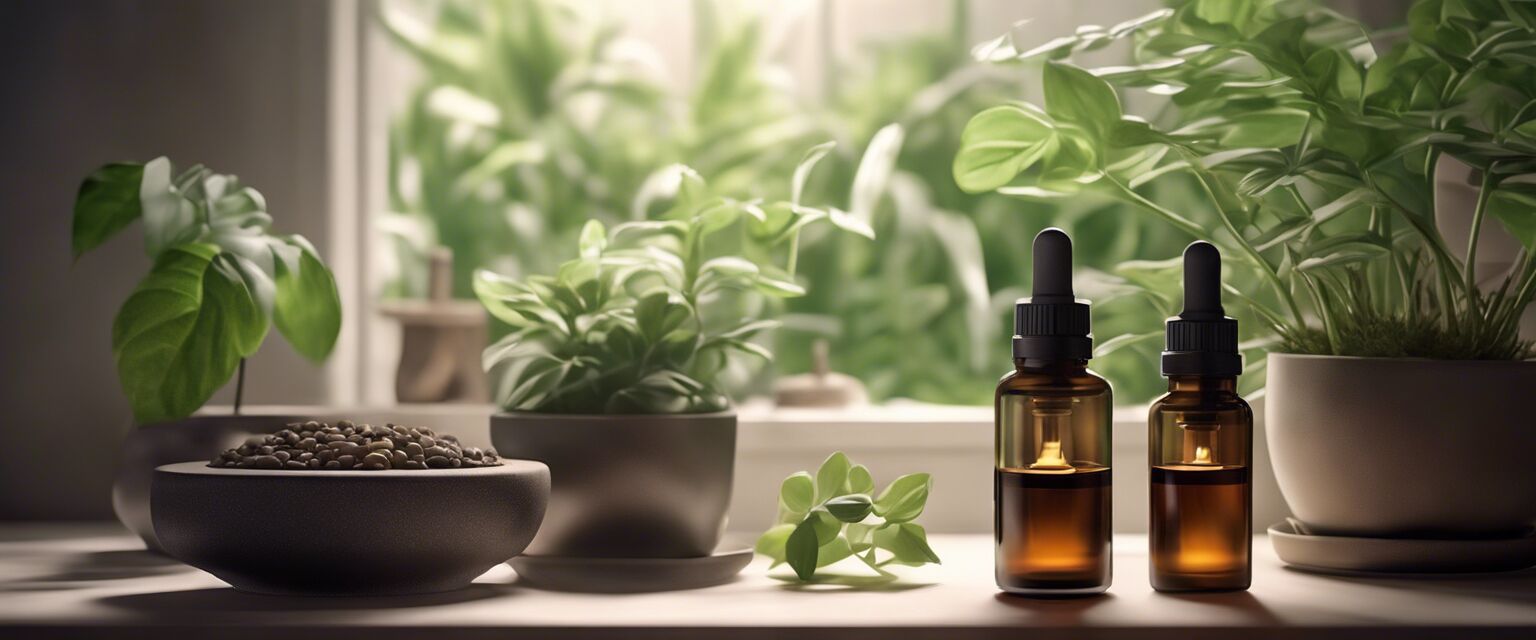
- Aromatherapy: Certain scents such as lavender and chamomile can help promote relaxation and reduce symptoms.
- Calm-enhancing beverages: Herbal teas and supplements can help promote relaxation and reduce symptoms.
- Relaxing bath essentials: Bath salts, essential oils, and calming music can help create a relaxing environment.
Complementary Therapies
In addition to traditional treatment options, some individuals may find relief with complementary therapies such as:
- Mindful meditation accessories: Guided meditation, mindfulness exercises, and meditation accessories can help promote relaxation and reduce symptoms.
- Sleep support tools: White noise machines, sleep masks, and comfortable bedding can help improve sleep quality.
- Stress-relief skincare: Skincare products and routines can help reduce stress and promote relaxation.
Beginners Section
- Start with small changes: Begin with small lifestyle changes such as regular exercise or healthy diet.
- Explore relaxation techniques: Try different relaxation techniques such as deep breathing or progressive muscle relaxation.
- Seek professional help: Consult with a healthcare professional or therapist for personalized guidance and support.
Pros
- Multiple treatment options available.
- Complementary therapies can be tailored to individual needs.
- Lifestyle changes can be made gradually.
Cons
- Treatment may require trial and error.
- Individuals may experience setbacks or relapses.
- Support from healthcare professionals or therapists may be necessary.

Remember, diagnosis and treatment options for panic, anxiety, and stress are individualized and may require trial and error. It's essential to work with a healthcare professional or therapist to find the right combination of treatments that work best for you.
For more information on aromatherapy solutions, visit our Aromatherapy Solutions page. To learn more about calm-enhancing beverages, check out our Calm-Enhancing Beverages page. Explore our Mindful Meditation Accessories page for more information on mindful meditation accessories.
Don't forget to visit our Relaxing Bath Essentials page for more information on relaxing bath essentials. For sleep support tools, visit our Sleep Support Tools page. Lastly, explore our Stress-Relief Skincare page for more information on stress-relief skincare.